Artificial intelligence is changing the way users search for information online. Traditional search engines are no longer the only platforms people rely on for answers. AI-powered tools like ChatGPT are becoming popular for finding quick, accurate, and conversational responses. This shift means businesses, marketers, and website owners need to understand how AI search works and how to optimise their content for better visibility.
SEO is no longer limited to ranking on traditional search engines. Content must now be written in a way that AI systems can understand, interpret, and recommend to users. In this blog, we will discuss how AI search works, the most important SEO ranking factors, the four pillars of SEO, and how to optimize content for ChatGPT.
Which Factor is Most Important for SEO Ranking?
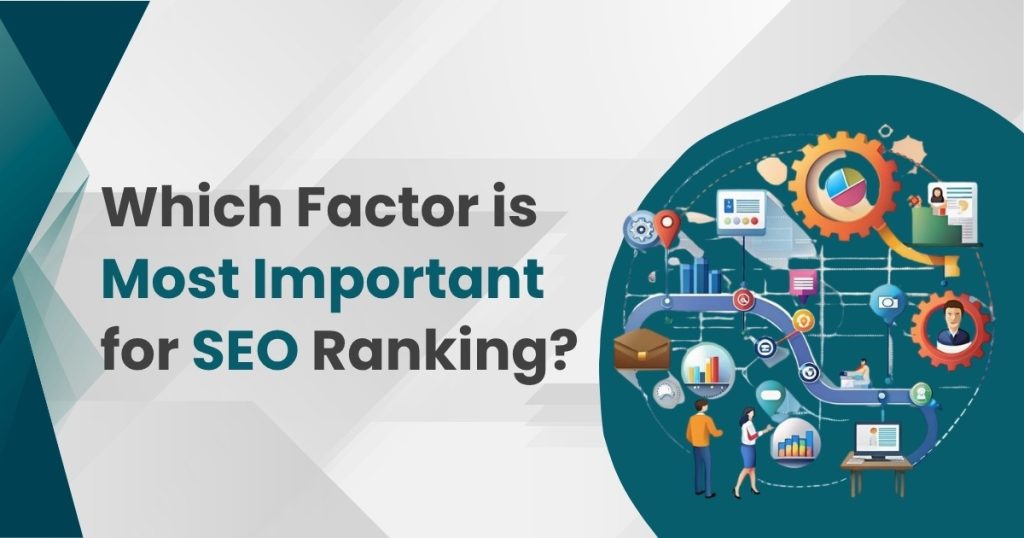
Among all SEO ranking factors, content quality remains the most important. Search engines and AI systems prioritize helpful, accurate, and user-focused content. Even if your website has strong backlinks and technical optimization, poor-quality content will struggle to rank.
High-quality content answers user questions clearly, provides useful information, and keeps readers engaged. AI search tools like ChatGPT prefer content that demonstrates expertise, trustworthiness, and authority.
Key Elements of High-Quality Content
- Original and unique information
- Clear structure with headings and subheadings
- Proper keyword usage
- Relevant examples and statistics
- Easy readability
- Helpful answers to common user queries
If your content solves a user’s problem better than competitors, it has a higher chance of ranking well.
What Are SEO Ranking Factors?
SEO ranking factors are the signals search engines use to determine where a webpage should appear in search results. These factors help search engines understand whether a webpage is valuable, relevant, and trustworthy.
Ranking factors are constantly evolving, especially with AI-powered search systems. However, the main principles remain focused on delivering the best user experience.
Top 10 SEO Ranking Factors for ChatGPT and AI Search
1. High-Quality Content
Content should provide clear, useful, and accurate information. AI systems prefer content that answers user questions directly.
2. Search Intent Optimisation
Understanding what users are looking for is essential. Your content should match informational, navigational, or transactional intent.
3. E-E-A-T (Experience, Expertise, Authority, Trust)
Google and AI systems value content created by experts or trusted sources.
4. Keyword Relevance
Use primary and secondary keywords naturally throughout the content.
5. Website Speed
Fast-loading websites improve user experience and increase ranking potential.
6. Mobile Optimisation
Most users browse through smartphones, making mobile responsiveness essential.
7. Backlinks
Quality backlinks from trusted websites improve credibility and authority.
8. Structured Content
Content organized with headings, bullet points, and short paragraphs is easier for AI to understand.
9. User Experience (UX)
A clean website design, easy navigation, and readability improve engagement.
10. Fresh Content Updates
Updated content signals that information is current and relevant.
What Are the 4 Pillars of SEO?
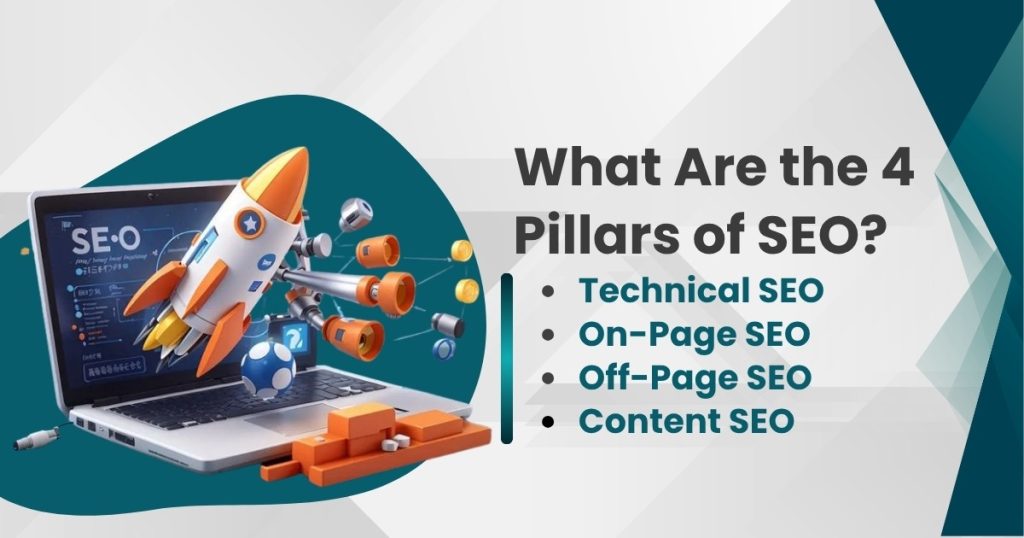
SEO is often divided into four main pillars that support website visibility and ranking.
1. Technical SEO
Technical SEO focuses on website performance and accessibility. It ensures search engines can crawl and index pages correctly.
Examples of Technical SEO
- Website speed optimization
- Mobile responsiveness
- XML sitemaps
- HTTPS security
- Fixing broken links
2. On-Page SEO
On-page SEO involves optimizing individual pages to improve rankings.
Examples of On-Page SEO
- Title tags
- Meta descriptions
- Keyword placement
- Internal linking
- Image optimization
3. Off-Page SEO
Off-page SEO focuses on building authority through external sources.
Examples of Off-Page SEO
- Backlinks
- Brand mentions
- Social sharing
- Influencer outreach
4. Content SEO
Content SEO focuses on creating valuable content that meets user needs.
Examples of Content SEO
- Blog posts
- Guides
- FAQs
- Tutorials
- Evergreen content
How to Optimise for ChatGPT?
Optimizing for ChatGPT requires a slightly different approach compared to traditional SEO. Since AI tools summarize and interpret information, your content must be easy to understand and highly informative.
1. Write Conversational Content
Use natural language that directly answers user questions.
2. Focus on Long-Tail Keywords
Long-tail keywords match conversational search patterns.
3. Create FAQ Sections
FAQ content helps AI identify direct answers quickly.
4. Use Structured Formatting
Headings, bullet points, and short paragraphs improve readability.
5. Add Contextual Information
Explain concepts in detail to help AI understand the topic.
6. Build Topic Authority
Publish multiple blogs around the same niche to strengthen topical relevance.
7. Keep Content Updated
Refresh blogs regularly with the latest information.
8. Improve Website Trust Signals
Add author details, reviews, testimonials, and citations.
9. Use Semantic Keywords
Include related keywords that support the main topic.
10. Optimise for Featured Snippets
Answer questions directly within short paragraphs.
Additional Insights on AI Search and SEO Evolution
The way users search online has evolved significantly over the last few years. Earlier, people typed short keywords into search engines and clicked through multiple websites to find answers. Today, AI-powered search platforms like ChatGPT provide instant, conversational responses that summarise information quickly. This change means content creators need to focus on clarity, authority, and structure rather than simply stuffing keywords into articles.
AI search engines understand context rather than just exact keyword matches. They analyze user intent, sentence meaning, and the relevance of information. For example, when a user asks a question such as “How to rank on ChatGPT?”,” the system does not only look for pages containing those exact words. Instead, it evaluates content that explains AI SEO, conversational search, optimization strategies, and user-focused answers.
Conclusion
AI-powered search is transforming how people discover information online. Ranking on ChatGPT and AI search systems requires a strong SEO strategy that focuses on content quality, user intent, authority, and technical performance.
Businesses that adapt to AI-driven SEO trends will have a competitive advantage in the future. By understanding ranking factors, strengthening the four pillars of SEO, and optimising content for conversational AI, you can improve visibility and attract more organic traffic.
seo company in jaipur is no longer just about keywords; it is about delivering the best possible answer to users in a clear, trustworthy, and engaging way.