At present, websites serve more than simply as digital addresses; they’re the digital representation of your brand, the first impression made on visitors, and often the deciding factor for whether they become customers. But what makes an effective website? Is it simply about clean code or stunning visuals?
Answer lies deeper-in the psychology of web design.
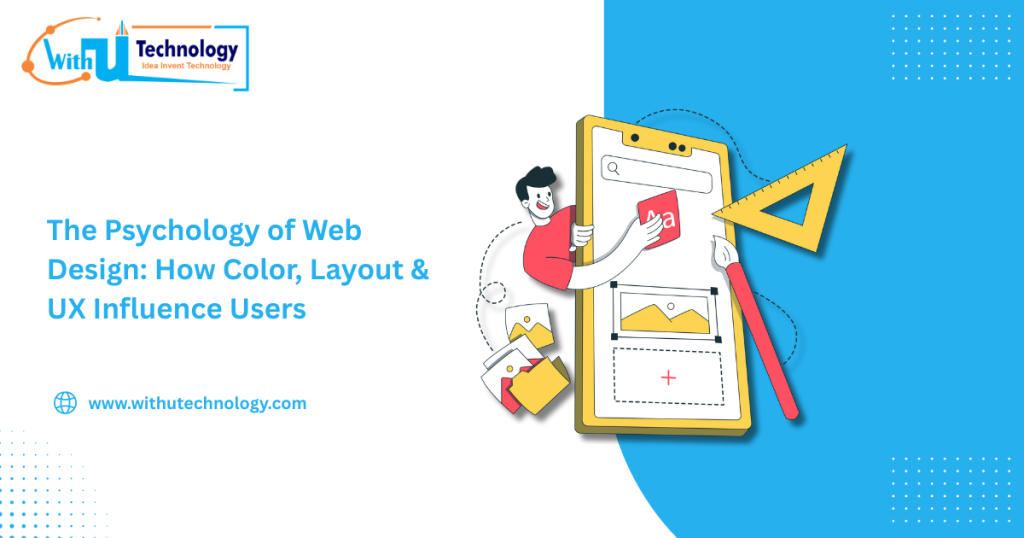
Design decisions related to color, layout and user experience (UX) not only make websites visually pleasing; they also affect how visitors think, feel and act when engaging with it. Understanding this psychology gives businesses an edge in creating websites that both inform and convert visitors.
This blog will examine how color, layout and UX design impact user perception and behavior – as well as how this knowledge can help you craft an effective website.
Power of Color in Web Design1. Emotional Triggers
Color is often one of the first features users take noThete of when visiting web development company in Jaipur, with psychological studies showing it can influence up to 91% of a person’s initial judgment of products or environments.
Different colors evoke different emotions. Here’s a quick breakdown:
Red: An exhilarating combination of excitement, urgency and passion; often used for sale alerts or CTAs.
Blue: Trustworthiness and professionalism, typically associated with financial and healthcare websites.
Green: Growth, nature and stability – great colors to represent businesses committed to green practices or health promotion.
Yellow: An optimistic and creative hue, yellow radiates positivity and warmth while being visually striking – yet should only be used sparingly.
Black: Representing luxury and sophistication, often used to brand high-end fashion or product websites.
Selecting the ideal palette means finding a balance between your brand’s personality and the preferences of its target audience.
2. Color Contrast and Readability
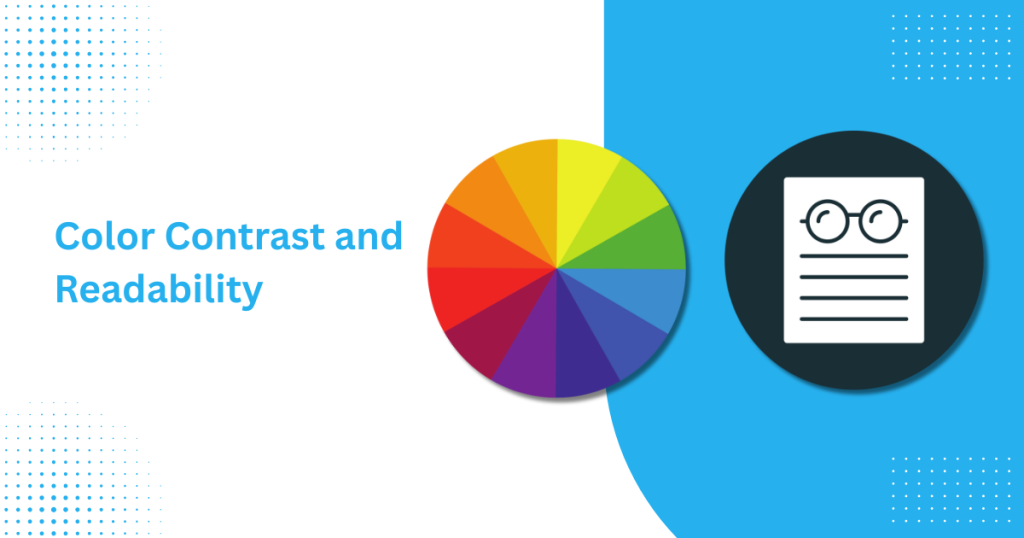
Color is often one of the first aspects that users notice about websites and psychological studies have revealed that color influences 60-90% of how people initially evaluate a product or environment.
1. Emotional Triggers Different colors evoke specific emotions. Here’s a breakdown:
Red: Red symbolizes excitement, urgency, and passion; often used in sale alerts or CTAs.
Blue: Trustworthiness, serenity and professionalism – three qualities often associated with financial and healthcare sites.
Green: Growth, nature and stability make green the ideal color to represent eco-friendly or health-oriented businesses.
Yellow: Exuding optimism, creativity, warmth. Capturing attention should only be used occasionally.
Black: An undertone of luxury and sophistication often used on fashion or high-end product websites.
Selecting the ideal palette requires aligning with both your brand’s personality and your audience’s subconscious preferences.
Psychological studies indicate that colors play a pivotal role in our initial impressions of products or places; often one of the first things clients notice about websites is its colors.
1. Emotion TriggersVarious colors evoke different emotions in people. Here is a brief outline:
Red: When used in CTAs or sale announcements, red expresses passion, energy and urgency.
Blue: Reliability provides peace of mind, while professionalism–qualities associated with financial and medical websites–offers security.
Green: Green is an ideal hue to represent eco-friendly or health-minded enterprises as it symbolizes growth, nature, and stability.
Yellow: Warmth, imagination and faith. Affording immediate visual impact but should only be employed under specific conditions.
Black: When used on fashion or high-end goods websites, black conveys an image of sophistication and luxury.
UX: The Heart of User-Centric Design
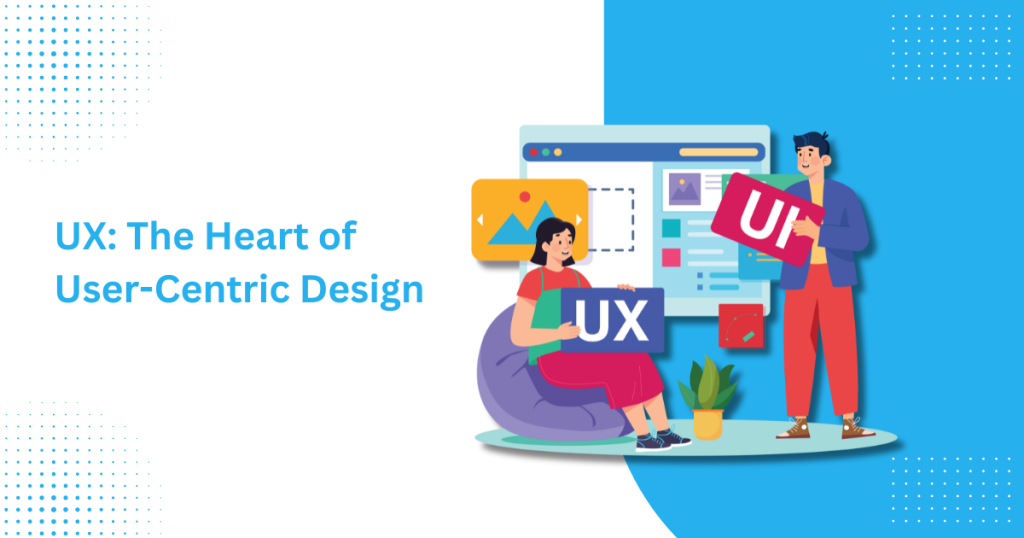
User experience (UX) refers to how visitors feel when engaging with your website, from navigation and loading speed, through clarity of messaging and mobile responsiveness, all the way down to mobile responsiveness.
1. Simplicity Reduces Cognitive Load Our brains crave simplicity
overwhelming visitors with too many choices or flashy animations could result in confusion and decision fatigue for them and for you as the business.
Apply Hick’s Law, which holds that more choices lead to longer decision times, when creating menus. Keep menus brief and restrict visible options while employing progressive disclosure (such as collapsible menus) to provide information in stages.
2. Consistency Builds
Trust Humans are creatures of habit, so making your designs consistent with fonts, button styles, color schemes, navigation structures-can create a sense of comfort and professionalism among your users.
Inconsistent design elements can leave users confused, making your site appear untrustworthy or incomplete.
3. Speed and Performance
Page speed can have an enormous impact on both UX and SEO; studies indicate that 40% of visitors abandon websites taking more than 3 seconds to load.
Optimize images, employ minimalistic designs, and leverage caching for optimal performance.
Trust and Persuasion in Design
Design goes beyond creating pretty images – it is also about persuasion. Web designers can utilize psychological principles to build credibility and establish trust with their target audiences.
1. Social Proof
People often look to others to establish appropriate behavior online, particularly through testimonials and reviews. Use testimonials, reviews, case studies and trust badges (SSL certificates and payment logos, for instance) as social proof to establish credibility with online interactions.
2. Reciprocity To get customers back
Try offering free tools, downloadable guides or helpful blogs like this one-these should all serve to encourage users to return the favor by subscribing, registering or purchasing from you.
3. FOMO (Fear of Missing Out)
Limited-time offers, countdown clocks and announcements such as “X people just purchased this” can tap into our fear of missing out and drive urgency for purchasing decisions.
Real-World Example: WITH U Technology
Consider, for example, that you are the owner or employee of a Web Design Company in Jaipur firm such as WITH U Technology.
They create websites that accomplish more than just look good by applying the psychology of web design. Their team makes sure that real users’ thoughts and behaviors are taken into consideration when making decisions on color schemes, layout elements, and user experience.
FROM DESIGNING aesthetically pleasing pages with striking call-to-actions to producing quick, intuitive, mobile-friendly layouts, WITH U Technology offers websites that turn surfers into devoted clients.
Important Lessons for Your Website
Finally, here are some practical suggestions for applying psychology-driven web design:
Make thoughtful color choices: Match their color to the feeling and activity you want users to experience.
Final Thoughts
Excellent web design extends beyond aesthetics: it requires understanding what users think and feel. By adhering to core psychological principles, your site becomes an engaging experience that leads users from curiosity to conversion.
Always remember that your website is more than a digital brochure: it serves as a powerful psychological touchpoint and should be treated accordingly for increased engagement, trust, and sales.
Need assistance creating a psychology-driven website? The experts at WITH U Technology can transform your online presence. Get in touch today for a consultation session!