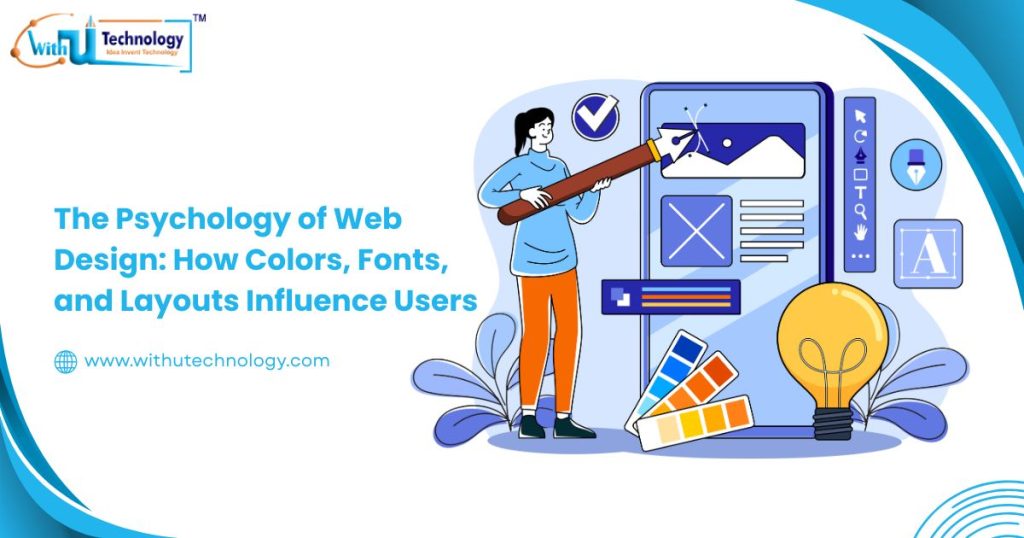
Digitally speaking, your website serves as more than just pages – it is the representation of your brand in digital form. Effective web design goes beyond aesthetics – it taps into psychology to influence user behavior through color choices, font choice and layout considerations. Understanding web design psychology is particularly critical for businesses operating in competitive markets like Jaipur.
1. Colors and Emotional Impact

Colors elicit emotions and exert an enormous effect on user behavior, prompting web design firms to select hues to complement a brand’s message and achieve brand consistency.
Blue: Representing trust, reliability, and calm. Commonly seen on corporate websites and financial institutions.
Red: Red conveys energy, urgency, and excitement – ideal for call to actions or sale banners.
Green: Ideal for eco-friendly or wellness brands that emphasize growth, harmony and safety.
Yellow: An optimistic, friendly, and eye-catching hue; perfect for promotions.
Website design company in Jaipur recognize that color selection must not only complement brand identity but also take into account cultural perceptions – for instance in India where some hues like saffron and green have greater cultural meaning that affect user engagement.
2. Fonts and Readability
Typography is an invaluable asset when it comes to web design psychology, communicating personality, improving readability and building trust with visitors. Serif fonts (such as Times New Roman) communicate tradition and reliability which makes them ideal for professional services.
Sans-serif fonts (such as Arial or Helvetica ) create an elegant and contemporary aesthetic, making them the ideal choice for tech companies.
Script fonts can add elegance and flair, yet should only be used sparingly to maintain readability.
Font size and spacing play an essential part in user experience and conversion rates. A web development company in Jaipur should make sure text can easily be read across devices while also taking accessibility into consideration for an optimal user experience and increased conversions.
3. Layouts and User Flow
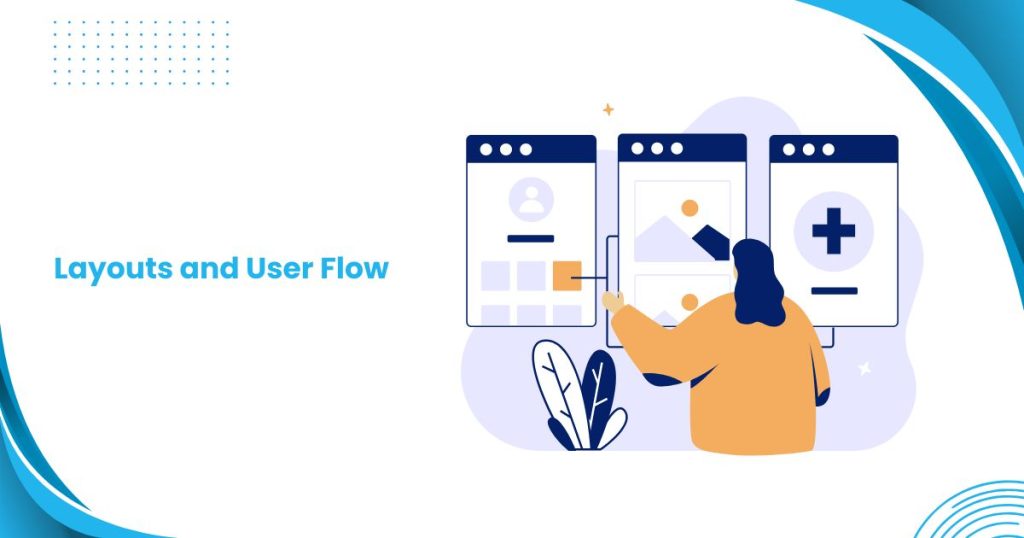
Website layout impacts how users engage with content. A well-crafted layout guides visitors seamlessly through the website, making sure they find what they’re searching for without becoming disoriented or confused.
F-Shaped Pattern: Most web users tend to browse websites with an F-shaped pattern in mind – concentrating on the top and left sides. Placing key information according to this format will increase engagement.
Whitespace: Allowing content some breathing room creates a cleaner and more appealing design while decreasing cognitive load and improving comprehension.
Visual Hierarchy: By strategically applying size, color and placement techniques can draw attention to essential components like CTAs (Call-to-Actions) or important information.
Professional website development company in Jaipur make use of these design principles to increase usability and retention rates of their sites..
4. The Role of User Psychology in Conversion
Web design psychology has an inextricable connection with conversions – turning visitors into customers. When users feel at ease navigating your site and find it visually pleasing, they’re more likely to trust your brand and take action. Key strategies designed to convert visitors include:
Use bold and eye-catching colors in CTAs to ensure they stand out.
CTAs should be placed above the fold for improved visibility.
Fast load times are crucial to avoiding drop-offs.
An engaging user interface combined with intuitive navigation ensures that visitors not only stay longer on your site but also interact more.
5. Cultural Considerations in Web Design
Cultural considerations cannot be discounted when designing websites for an international audience, as colors, symbols and font styles may have different connotations depending on where users come from. Website designers in Jaipur must understand local culture as well as user expectations in order to create designs that resonate with visitors to their site.
Jaipur and India as a whole often respond well to vibrant, eye-catching colors due to their cultural significance in festivals and traditions, which can lead to greater user engagement. By including such cultural nuances into designs, user engagement may increase significantly.
6. Case Study: WITH U Technology
WITH U Technology is a top Web development firm based out of Jaipur that incorporates psychology-driven design principles into its projects. Their team ensures aesthetics meet function – making sure colors, fonts and layouts all work in synergy to enhance user experience and drive conversions.
Their approach emphasized the significance of understanding user behavior, cultural relevance, and brand identity – key aspects that contribute to any website’s success.
7. Future Trends in Web Design Psychology
As technology changes, so too does web design. Some of the emerging trends in psychology of web design include: Dark mode: Provides eye strain relief while giving an elegant appearance
Minimalism: Keep designs uncluttered and user-focused.
Personalization: Content tailoring to individual user behavior for greater engagement is the goal.
Microinteractions: Small animations and interactive elements designed to enhance user experience.
An imaginative website development firm will adapt these trends without jeopardizing psychological principles that make designs effective.
Conclusion
Psychology of web design is an indispensable resource for businesses that wish to make a strong impression with users. Colors, fonts and layout are not simply creative decisions — they also influence how users perceive and engage with a brand.
No matter the stage or stage of development your company may be at, partnering with an expert Web design and development agency in Jaipur can transform your website into an invaluable tool that drives conversions and establishes trust among visitors.
WITH U Technology is committed to merging psychological insights with innovative design in order to create websites that not only look aesthetically pleasing but also perform exceptionally.