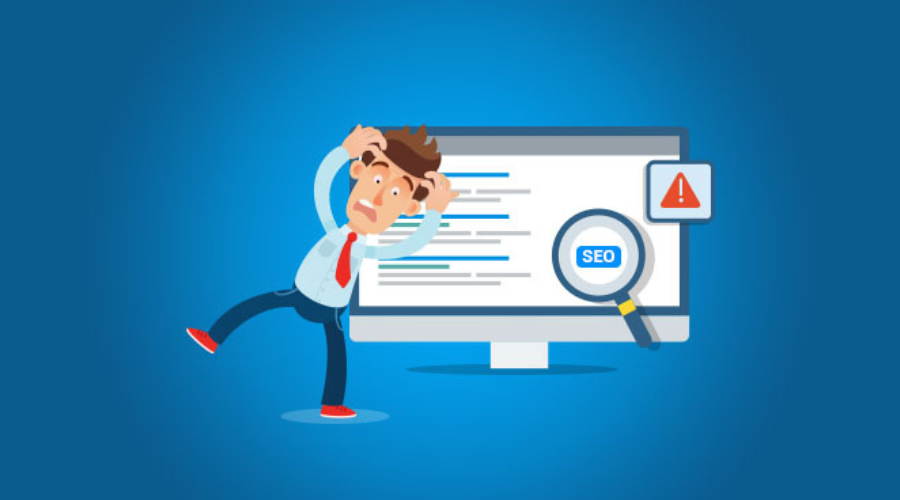
At With U Technology, we understand that SEO is pivotal for online success. Common pitfalls include not optimizing for mobile, which can alienate a vast audience of smartphone users. Ignoring local SEO can cost you valuable regional traffic while producing low-quality content can damage your reputation and rankings. Neglecting technical SEO undermines your site’s foundation, and not keeping up with algorithm updates can render your efforts obsolete. Partner with us to sidestep these errors, ensuring your SEO strategy is robust, up-to-date, and tailored to your audience’s needs. Search engine optimisation, or SEO, is still a vital part of any effective marketing plan in the dynamic digital world. Still, search engine optimisation (SEO) is a complicated topic that calls for a deep comprehension of user behaviour, content strategy, and search engine algorithms. Businesses frequently make typical SEO mistakes that might impair their success as they work to improve their online presence. We’ll look at the most common SEO marketing blunders in this article and show you how to steer clear of them so your website appears higher in search results and gets more natural visitors.
The 10 Biggest SEO Mistakes You Can Make
1) Ignoring Mobile Optimization.
2) Skipping Meta Descriptions and Title Tags.
3) Using Duplicate Content.
4) Neglecting Image Optimization.
5) Overlooking Local SEO.
6) Keyword Stuffing.
8) Not Using Analytics.
9) Ignoring Link Building.
- Neglecting Keyword Research
An important component of SEO is conducting keyword research. Inadequate keyword research might result in targeting incorrect terms, which can cost you prospective visitors. Typical errors consist of Neglecting keyword research is a critical mistake in SEO that can render your content invisible on search engines. Keywords are the foundation of SEO; they guide your content strategy and ensure you meet your audience’s needs. Without proper research, you risk targeting terms that are either too competitive or irrelevant, missing out on potential traffic. Effective keyword research helps in understanding market trends, user behaviour, and the competitive landscape, which are crucial for crafting content that resonates with your audience and ranks well on search engines.
Using overly competitive keywords: Although there is a lot of competition for these keywords among well-established websites, it is hard for newer or smaller sites to rank for them.
Ignoring long-tail keywords:
These draw in highly focused visitors and are less competitive and more specific.
Not considering search intent: Selecting the appropriate keywords requires knowing if consumers are seeking information, a product, or a service.
Solution: Use resources like as Ahrefs, SEMrush, or Google Keyword Planner to dedicate time to thorough keyword research. A combination of long-tail keywords that correspond with uintent and high-volume, medium-competition keywords should be the focus.
- Overlooking On-Page SEO
Optimising certain pages on your website to rank better and attract more relevant visitors is known as on-page SEO. Typical on-page SEO errors consist of:
Missing or poorly optimised title tags and meta descriptions: These are crucial for providing information about the content of your website to consumers and search engines alike.
Lack of header tags (H1, H2, H3): By organising your information, these tags help search engines better comprehend and rank your website.
Keyword stuffing: Search engine penalties may result from keyword overuse.
- Producing Low-Quality Content
Producing low-quality content is a detrimental practice that can tarnish a brand’s image and alienate its audience. It reflects poorly on credibility and expertise, leading to decreased user engagement and trust. In the digital age, where content is king, quality matters more than quantity. Low-quality content fails to provide value, discourages repeat visits, and diminishes SEO efforts. It’s essential for creators to invest time and resources into crafting well-researched, relevant, and engaging content that resonates with their audience and upholds the integrity of their brand.In SEO, content is king, but not all content is created equally. Creating material of poor quality might harm your website’s reputation and search engine ranking. Typical pitfalls consist of:
Thin content: pages with little to no substantive content.
Duplicate content: Content that appears on multiple pages or websites can lead to penalties.
Lack of originality: content that doesn’t provide value or insights to users.
Solution: Concentrate on producing unique, high-quality material that benefits your audience. Make sure your writing is interesting, thoroughly researched, and keyword-optimized.
- Ignoring Mobile optimisation
Overlooking mobile optimisation is a critical misstep in the digital landscape. With the majority of internet traffic now coming from mobile devices, a non-optimized mobile experience can lead to user frustration, high bounce rates, and a decline in conversions. Mobile optimisation ensures that content is accessible, readable, and navigable on smaller screens, providing a seamless user experience. Ignoring it not only impacts user satisfaction but also affects search engine rankings, as mobile-friendliness is a key ranking factor. Therefore, mobile optimisation is not optional but a necessity for reaching and engaging the modern, mobile-centric audience. Mobile optimisation is now required due to the rising use of mobile devices. Your website’s mobile version is regarded as the primary version thanks to Google’s mobile-first indexing. Typical errors consist of:
Non-responsive design: Websites that do not adjust to different screen sizes.
Slow mobile load times: Users and search engines prioritise fast-loading pages.
Poor mobile user experience: Difficult navigation and unoptimized content for mobile devices.
Solution: Adopt a responsive design that works seamlessly across all devices. Use tools like Google’s Mobile-Friendly Test to identify and fix mobile usability issues and ensure your site loads quickly on mobile.
- Neglecting Technical SEO
Overlooking the intricacies of technical SEO services can severely impede a website’s performance. Technical SEO lays the foundation for search engines to crawl, index, and render a site effectively. Neglecting it can lead to crawl errors, slow loading times, and unindexed pages, which are detrimental to online visibility and user experience. It’s akin to building a house with a flawed blueprint; no matter how appealing the design, structural issues can result in instability and eventual collapse. Therefore, prioritising technical SEO is crucial for establishing a robust online presence and ensuring a website’s long-term success. Technical SEO is making infrastructural improvements to your website so search engines can efficiently crawl and index it. Typical errors in technical SEO include:
Broken links: These negatively impact user experience and SEO.
Slow page speed: A slow website can lead to higher bounce rates and lower rankings.
Poor URL structure: Non-descriptive URLs that do not include keywords.
Solution: Check your website frequently for technical problems with Screaming Frog and Google Search Console, among other tools. Resolve broken links, speed up your website, and make sure your URLs are clear and easy to understand.

- Not utilising Analytics and Data
In the digital era, disregarding analytics and data is akin to sailing without a compass. Analytics provide critical insights that guide strategic decisions, optimise operations, and enhance customer engagement. Without data, businesses operate blindly, missing out on opportunities to connect with their audience and improve their services. Data-driven approaches are essential for competitive advantage, allowing for precise targeting and personalisation that can lead to increased satisfaction and loyalty. Therefore, not utilising analytics and data can significantly hinder an organisation’s ability to thrive in today’s fast-paced, information-rich business environment.
It’s not a good idea to use SEO blindly. It is essential to regularly analyse data in order to determine what functions well and what doesn’t. Typical errors consist of:
Ignoring analytics: Not using tools like Google Analytics to track your site’s performance.
Failing to set up goals and conversions: Without these, it’s challenging to measure success.
Not adjusting strategies based on data: Continuing with ineffective tactics due to a lack of analysis.
Solution: Use analytics tools to track your SEO efforts. Set up goals and conversions to measure success, and be prepared to adjust your strategy based on data insights.
- Overlooking User Experience (UX)
Ignoring User Experience (UX) in product design is a grave mistake. UX is the cornerstone of customer satisfaction and loyalty. Poor UX can lead to frustration, abandonment, and negative reviews, which can severely damage a brand’s reputation. It’s not just about aesthetics; it’s about creating a seamless, intuitive interaction that meets users’ needs with minimal effort. Overlooking UX can result in a product that is difficult to use, fails to meet user expectations, and ultimately, underperforms in the market. Investing in UX is essential for ensuring that a product is not only functional but also enjoyable and easy to use. Search engines prioritise websites that offer a good user experience. Common UX mistakes include:
Difficult navigation: Users become frustrated when they cannot easily discover information.
Bad website design: People may become discouraged by an ugly or antiquated appearance.
Obtrusive advertisements: Excessive pop-ups and advertisements might impede the user’s experience.
Solution: Make an effort to create a simple, navigable design that is clean and intuitive. Make sure your website is straightforward to use and visually appealing, and stay away from unwanted advertisements.
- Failing to Build Quality Backlinks
Neglecting the creation of quality backlinks is a critical oversight in SEO strategy. Quality backlinks serve as endorsements from other reputable sites, signalling to search engines that your content is valuable and trustworthy. Without them, a website struggles to gain visibility and authority in search engine rankings. This oversight can lead to poor organic traffic, diminished online presence, and lost revenue opportunities. Moreover, it hampers the website’s ability to establish itself as a thought leader in its niche. In essence, failing to build quality backlinks is akin to ignoring the digital word-of-mouth that propels online success.
Buying links: This can lead to penalties from search engines.
Using low-quality directories or spammy sites: These links can harm your SEO.
Ignoring internal linking: Internal links help search engines understand your site structure.
Solution: Prioritise obtaining high-quality backlinks via guest posting, producing likeable material, and establishing connections with influential people in the field. Use internal linking as well to improve link equity distribution and site navigation. - Ignoring Local SEO
Disregarding Local SEO is a costly error for businesses aiming to attract nearby customers. Local SEO enhances visibility for geographically related searches, connecting businesses with their community. Without it, companies miss out on significant local traffic and potential sales, especially from mobile users who search for services “near me.” It also means forfeiting valuable local listings and reviews that boost credibility and rankings. In essence, ignoring local SEO is like having a storefront that no one knows exists, making it imperative for businesses to invest in optimising their local online presence.
For businesses with a physical presence, local SEO is crucial. Common mistakes include:
Not claiming your Google My Business listing: This can result in missed opportunities for local search visibility.
Inconsistent NAP (name, address, and phone) information: Discrepancies can confuse search engines and users.
Ignoring local reviews: Reviews impact your local search rankings and user trust.
Solution: Claim and optimise your Google My Business listing, ensure consistent NAP information across all platforms,, and encourage satisfied customers to leave positive reviews.
- Not Keeping Up with Algorithm Updates
Failing to stay abreast of algorithm updates can be detrimental to a website’s search engine ranking. Search engines constantly evolve, refining how they assess and prioritise content. Ignoring these changes means missing critical adjustments needed to maintain or improve online visibility. It can result in a significant drop in traffic, as outdated SEO practices may no longer be effective. Staying updated is crucial for ensuring that SEO strategies align with the latest guidelines, helping to secure a strong digital presence and continued reach to the target audience. The algorithms used by search engines are always changing. Outdated SEO techniques that no longer provide results might arise from a failure to stay up to speed with these developments. Typical errors consist of:
Relying on outdated tactics: Techniques that worked in the past may not be effective today.
Ignoring algorithm updates: Not staying informed about changes can lead to penalties.
Solution: Reputable sites like Moz, Search Engine Land, and Google’s official blog will keep you up to date on the most recent developments in SEO news and algorithm updates. Always adjust your SEO tactics to conform to the most recent industry standards.
Read more:- https://www.withutechnology.com/blog/why-you-should-hire-an-seo-company-from-india/
https://www.withutechnology.com/blog/top-reasons-why-seo-is-important-for-business/
About: In the digital age, staying connected is key. U Technology invites you to reach out and tap into our expertise. Whether it’s SEO strategies, web development, or digital marketing, our team is ready to assist. Contact us to explore how we can elevate your online presence and drive your business forward. Our commitment to innovation and customer satisfaction ensures that with us, you’re always ahead of the curve. Don’t hesitate, to connect with U Technology today and take the first step towards transforming your digital strategy.